

Heat pumps, EV chargers, and standby generators all draw serious power. Homeowners across Staunton, Waynesboro, and Fishersville are adding them to houses whose electrical service was designed when the biggest thing in the kitchen was a refrigerator, and the panel is frequently the part nobody thinks about until the install is already scheduled.
The answer is genuinely case by case. Plenty of homes have room. Plenty do not. What follows is how the assessment actually works, so you can form a reasonable expectation before anyone quotes you.
What Your Panel Is Likely to Handle
| Your panel | Adding a heat pump | Adding a Level 2 EV charger | Adding both |
|---|---|---|---|
| Fuse box (any size) | Upgrade first | Upgrade first | Upgrade first |
| 100A, already full | Usually an upgrade | Usually an upgrade or load management | Upgrade |
| 100A with open spaces | Often possible; needs a load calculation | Often needs load management | Usually an upgrade |
| 150A or 200A, spaces available | Usually fine | Usually fine | Often fine; still worth calculating |
Treat that as an expectation-setter rather than an answer. Two homes with identical panels can reach different conclusions depending on whether they heat with gas or electricity, whether the range and water heater are electric, and what else has been added over the years.
The Signs That Point Toward an Upgrade
- A fuse box rather than breakers. Dated service, and usually undersized for any modern addition.
- No open breaker spaces. The most straightforward blocker, and the easiest for you to check yourself.
- A 100-amp service that is already working hard. Common in homes built before large electrical loads were standard.
- Breakers that trip regularly. The system is already telling you it is at its limit.
- Lights dimming when the AC or a large appliance starts. A sign the service is near capacity.
- Tandem breakers filling the panel. Sometimes legitimate, sometimes a previous owner's workaround for having run out of room.
- A panel from a manufacturer with known defects. Some older panels have documented safety issues and are worth replacing regardless of capacity.
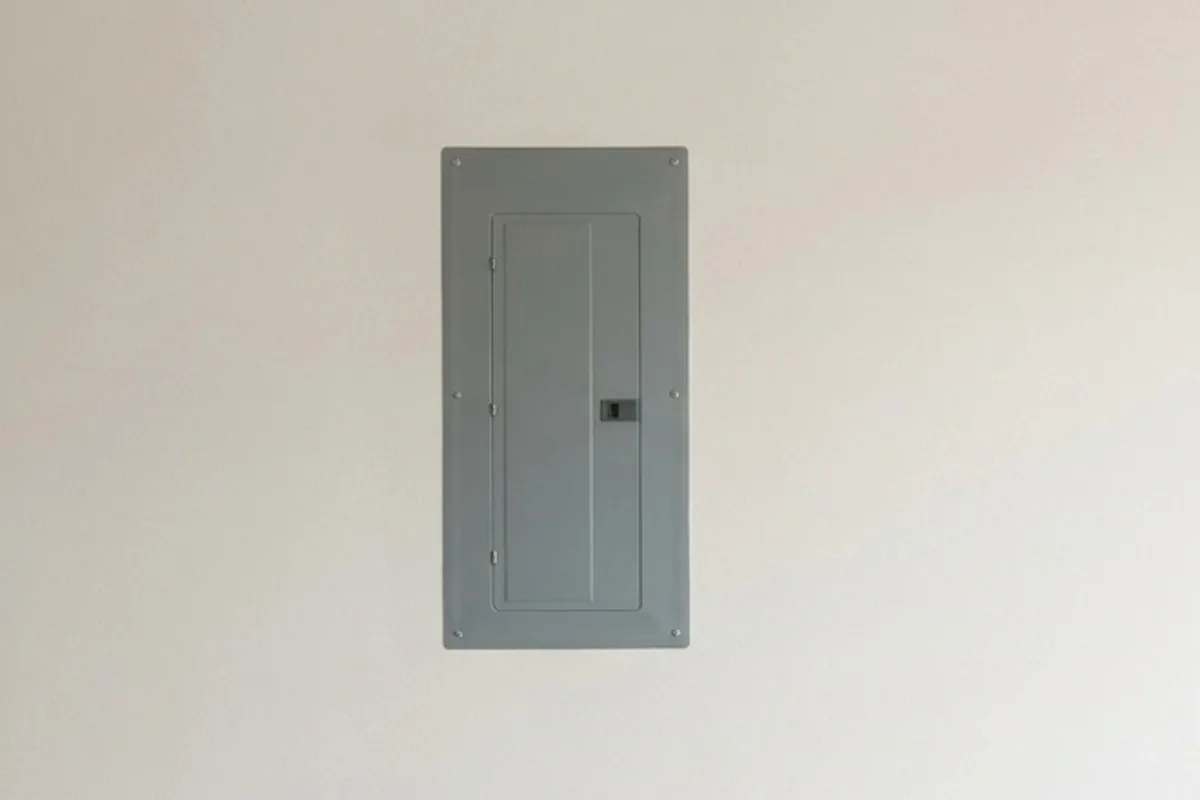
You can check the first two yourself in about a minute. Open the panel door, without removing the cover, and look at the main breaker's amperage rating and whether there are unused slots.
Open Slots Are Not the Same as Capacity
This is the distinction that catches people out, and it is worth being clear about because it is the reason a quote can come back differently from what you expected.
Physical space in the panel and electrical capacity of the service are two separate questions. A panel can have four empty slots and still be unable to take an EV charger, because the total load the house can draw already approaches what the service is rated for. Conversely, a panel with no free slots may have plenty of capacity and simply need a different arrangement.
Working out which is which requires a load calculation: totalling the home's existing demand against the service rating, and adding the new load to see where it lands. That is a documented calculation with a defined method, not an experienced guess, and it is what an inspector will expect to see. An electrician who tells you it will be fine without performing one is telling you what they hope.
Heat Pumps
A heat pump needs a correctly sized dedicated circuit, and the requirement is larger than most homeowners expect, particularly where electric backup heat strips are part of the setup. Those strips can draw substantially more than the heat pump itself and they are easy to overlook when someone is eyeballing the panel.
Many homes have room. Some need capacity added. The important thing is that it gets established before the equipment is ordered rather than on installation day, when you have no good options and the house has no heating.
Callison sizes the circuit and assesses the panel as part of the HVAC install, which is the practical benefit of holding both licenses. Our guide on whether a heat pump is worth it in Virginia covers the rest of the decision.
EV Chargers
A Level 2 EV charger draws about as much as an electric range, and unlike a range it may draw it for hours at a stretch overnight. That sustained duty is what makes it a genuine capacity question rather than a formality.
If your panel is near capacity there are usually two routes. One is a panel or service upgrade, which solves it permanently and leaves headroom for whatever comes next. The other is a load-management device, which allows the charger to share capacity intelligently by backing off when the house is drawing heavily elsewhere. Load management is often cheaper and is a genuinely good answer in the right house, particularly where the only remaining need is the charger.
We tell you which applies before the work rather than after. See our EV charger installation page for what an install includes.
Standby Generators
A generator is a slightly different question, because it is not adding demand to your service so much as standing in for it during an outage.
The panel still matters though. A standby generator ties in through a transfer switch, which physically isolates your home from the utility while the generator runs. That isolation is not optional and it is not merely a code formality: without it, a running generator can backfeed the utility lines and endanger the crews working to restore power in Verona or Stuarts Draft.
How the transfer switch relates to your existing panel depends on whether you are backing up the whole house or a selected set of circuits, and that decision often interacts with panel capacity in the same way the other loads do. Our guide to sizing a whole-home generator works through the choice.
What an Upgrade Involves, and Why the Utility Is In It
A panel upgrade is more than swapping a box on a wall, and understanding the moving parts explains both the cost and the scheduling.
Depending on scope, it can involve a new panel and breakers, new service entrance conductors, an updated meter base, a grounding and bonding update to current code, coordination with the utility to disconnect and reconnect service, and a permit with inspection. The power is off for part of the day, and the utility's availability is often what sets the date rather than ours.
It is also worth doing once and doing properly. If you are adding a heat pump this year and think an EV may follow, size for both now. The incremental cost of additional capacity during an upgrade is far smaller than the cost of doing the whole exercise twice.
One Company for Both Trades
Most HVAC companies subcontract their electrical work, and that is where this particular project tends to go wrong.
The failure mode is familiar. The HVAC contractor assumes the panel is adequate because assessing it is not their trade. The electrical sub is brought in on installation day, finds it is not, and now there is a change order, a delay, and two companies each explaining that the other should have checked. Meanwhile the old system is already out.
Callison holds Virginia Class A licenses in both HVAC and electrical, which almost no local competitor does. The panel, the circuit, and the equipment are assessed, quoted, permitted, and installed by one company, with one number and one crew accountable for all of it.
Planning a heat pump, EV charger, or generator? Have the panel assessed before you order equipment, not on installation day. It is a short visit and it removes the most common source of mid-project surprises. See our panel upgrades page.